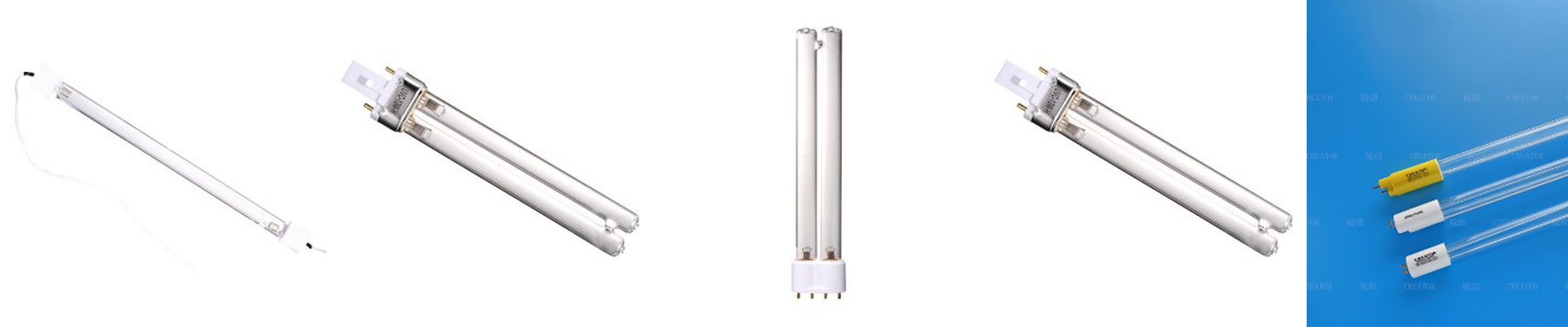
Why owning the tech is the only way to ship without a headache
Let’s be honest. When you’re picking a UV lamp supplier, you aren’t looking for a trophy or a fancy patent certificate to hang on the wall. You just want your machinery to get from point A to point B without some customs agent in a foreign port seizing your entire shipment. Here is the reality: when you export equipment with UV curing or sterilization, you aren’t just shipping glass and metal. You’re shipping intellectual property. If your supplier is just slapping their logo on a generic design they bought from someone else, you’re playing a dangerous game. The second that cargo hits a strict port, you could be flagged for patent infringement. And trust me, that is a nightmare you don’t want to deal with.
The difference between “generic” and “actually engineered”
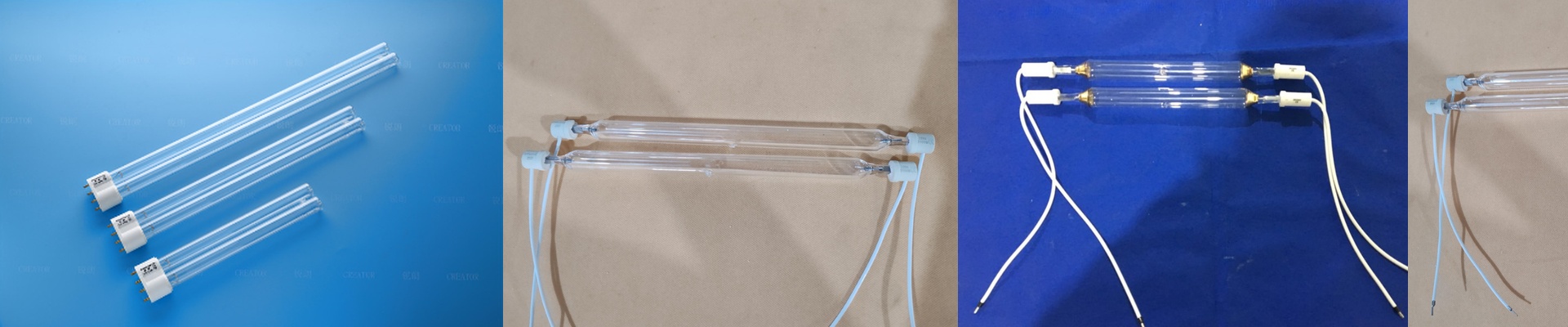
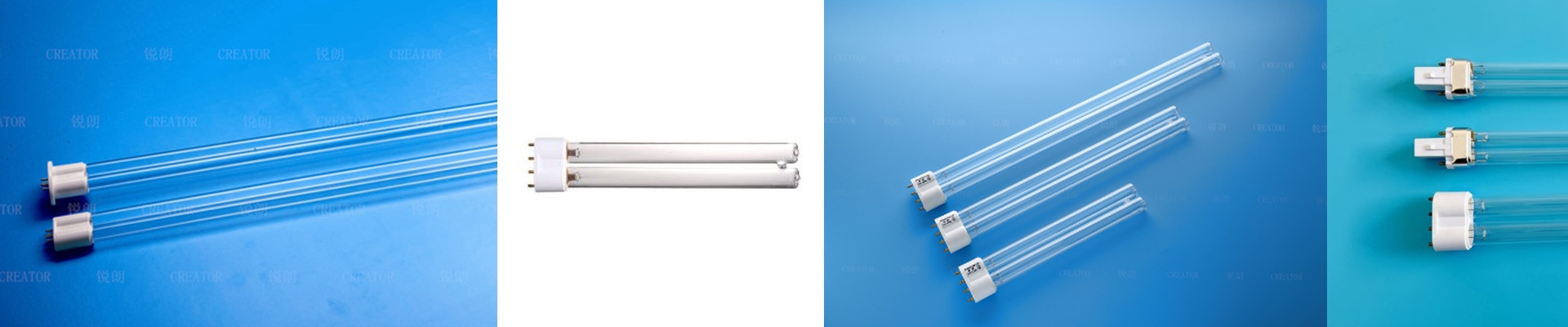
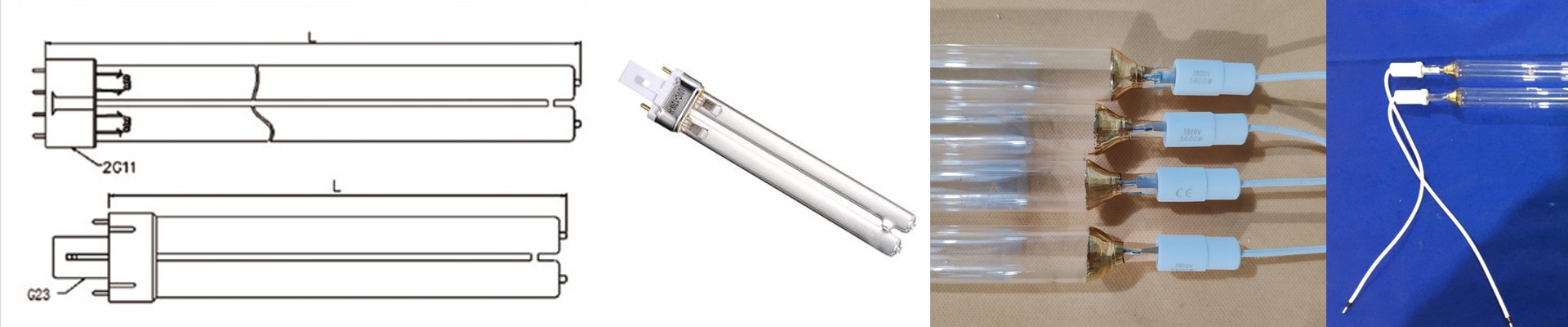
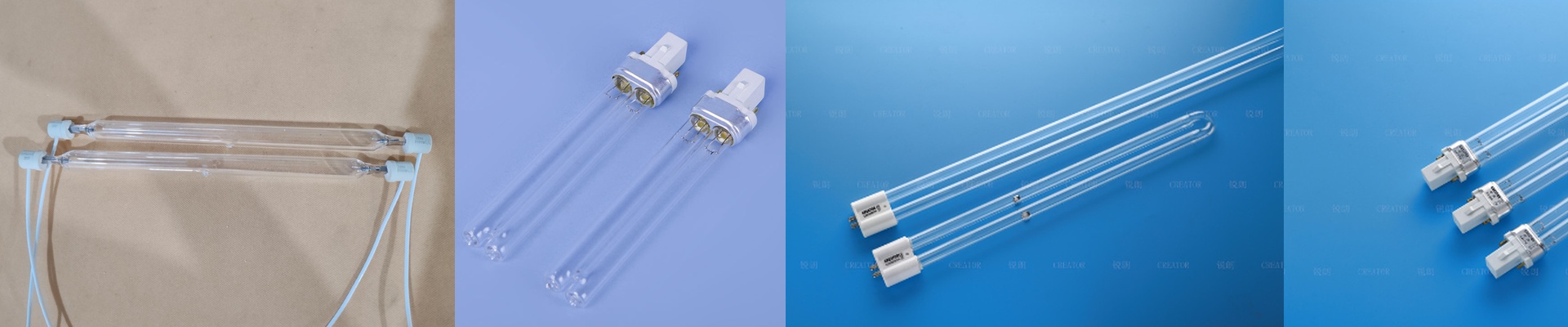
Most of the cheap lamps out there follow the same basic mercury-vapor or LED blueprints. They work, sure, but they’re basic. We do things differently. We spend our time obsessing over electrode geometries and special quartz sleeve coatings. We mess around with gas mixtures and filament alloys to get more power out of the lamp without it burning out in a few months. Because we actually invented this stuff, we can give you a legal shield. You aren’t just buying a part; you’re buying the peace of mind that you can actually sell your product in regulated markets without looking over your shoulder.
Avoiding the customs trap
The US and EU don’t mess around with IP laws. They’re aggressive. If you use a “bargain” lamp that mimics a competitor’s wavelength technology, your whole shipment can get flagged. It doesn’t matter if you didn’t know the lamp was a copy—you’re the one shipping it. Since we handle all the R&D in-house, the drawings and the process belong to us. You get a part that fits perfectly and, more importantly, doesn’t trigger any red flags during an audit.
A quick word on the engineering
There is a catch, though. Our lamps are precision tools. To get that peak irradiance, they need specific ballast settings. You can’t just wire these into a bottom-of-the-barrel generic driver and expect them to last. If you try to squeeze more UV-C output by pushing the voltage past our limits, you’re going to kill the lamp. Just stick to the technical data sheets. Keep the power balanced, and the hardware will keep humming along.