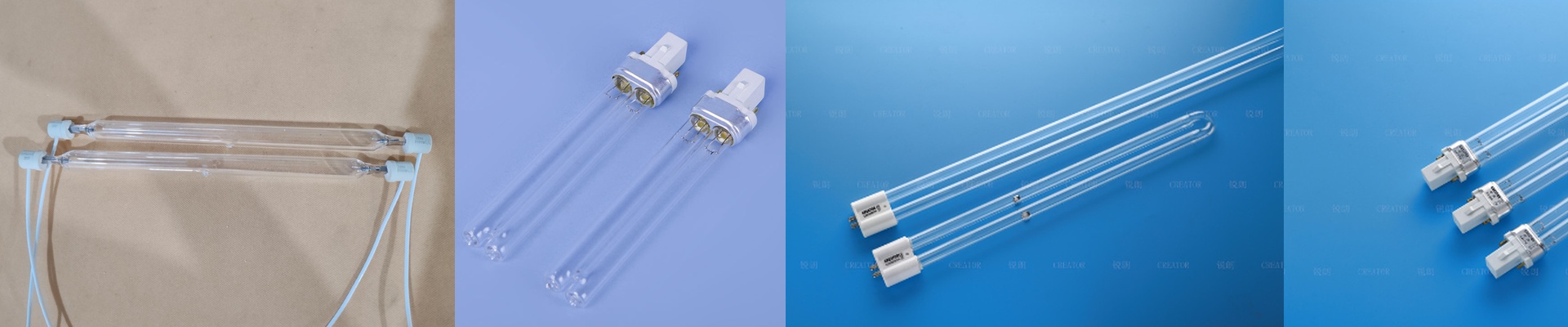
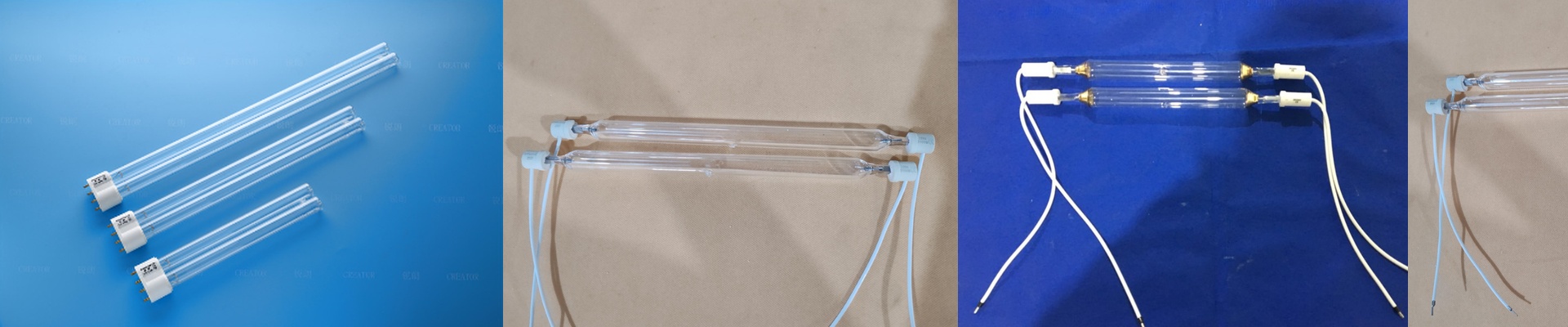
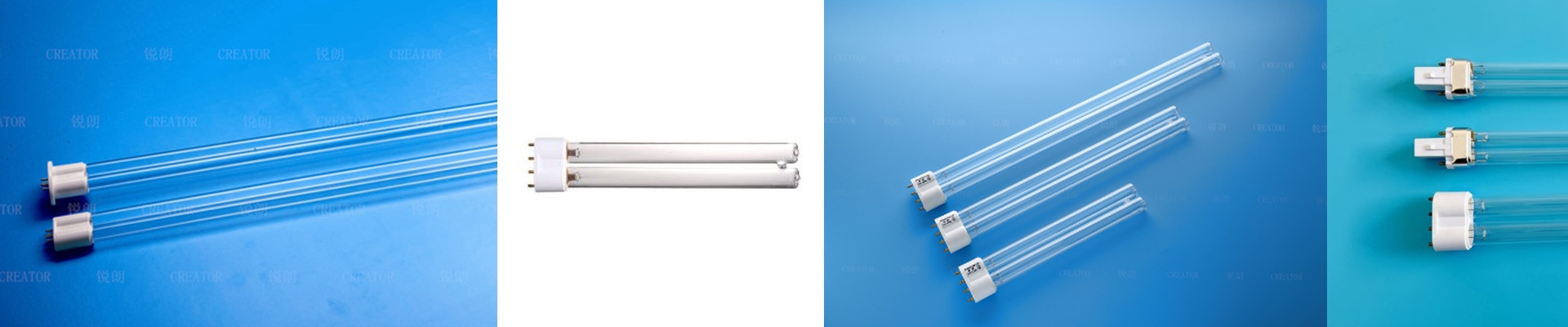
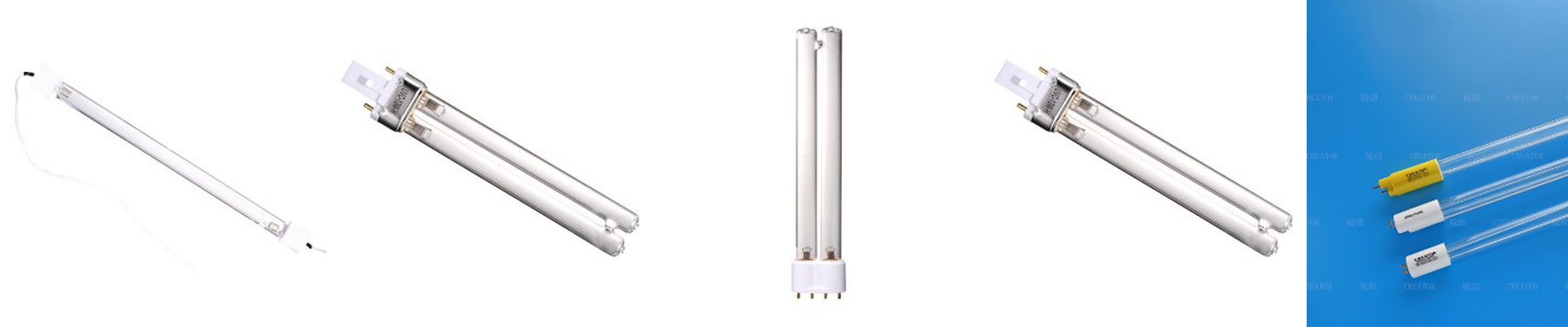
Stop Guessing With Your UV Lamps
Most off-the-shelf UV lamps talk a big game about “broad spectrum” light. But if you’re running a precision lab, “broad” usually just means “wasteful.” Here’s the thing: when you swap out a UV lamp, you aren’t just changing a lightbulb. You’re actually tuning the speed of the chemical reaction happening on your substrate.
Getting the Wavelength Right
We obsess over the exact nanometer peaks. Why? Because if your photoinitiator needs 365nm to work, but your lamp is peaking at 380nm, you’re just throwing energy away. All that mismatched light turns into heat. It doesn’t cure your product; it just cooks it. That’s why we use specific gas mixes and doped quartz. It filters out the junk radiation so your materials don’t warp or overheat. You get the energy exactly where the chemistry actually needs it.
The Truth About Glass and Heat
The glass matters. A lot. We use high-purity fused silica because cheap glass blocks the very light you’re paying for. It’s like wearing sunglasses while trying to tan. Our tubes can handle a lot of power, but there’s a catch. If you cram too much wattage into a short tube, you put a massive amount of stress on the electrodes. Check your cooling fans. If they aren’t up to the task, you’ll burn out the ends of your lamps way too fast.
No Headaches, Just Plug and Play
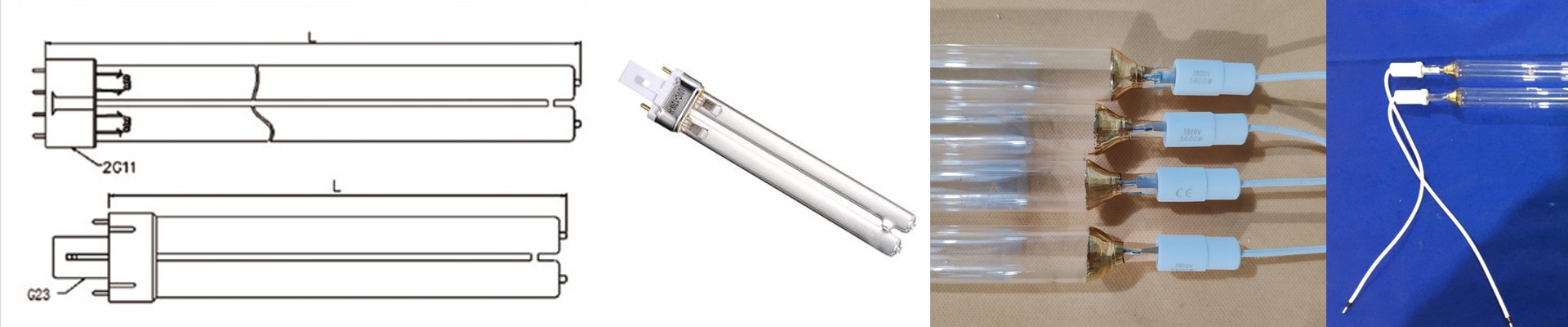
We made these to be simple drop-in replacements. The footprint, the pins, the arc position—everything matches your existing gear. No redesigning your setup. No weird workarounds. Just wire it into your current ballast and the arc stabilizes right away. And the best part? Matching the wavelength to your specific ink or resin kills that annoying “tacky” surface finish. No more sticky parts. Just a clean, fast cure. We’ll give you the spectral data, too, so you can see for yourself that the output actually hits your requirements.