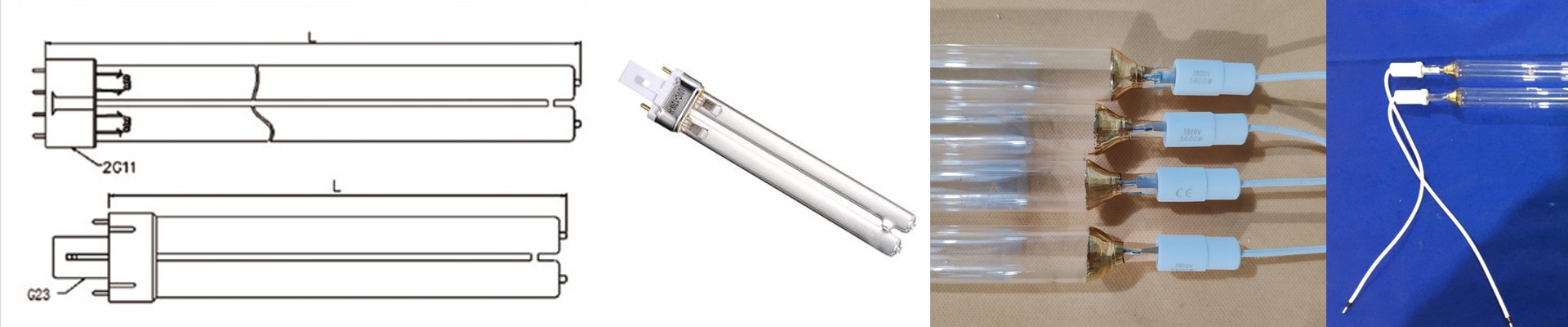
Getting Your Textile Curing Right: The Truth About Quartz UV Lamps
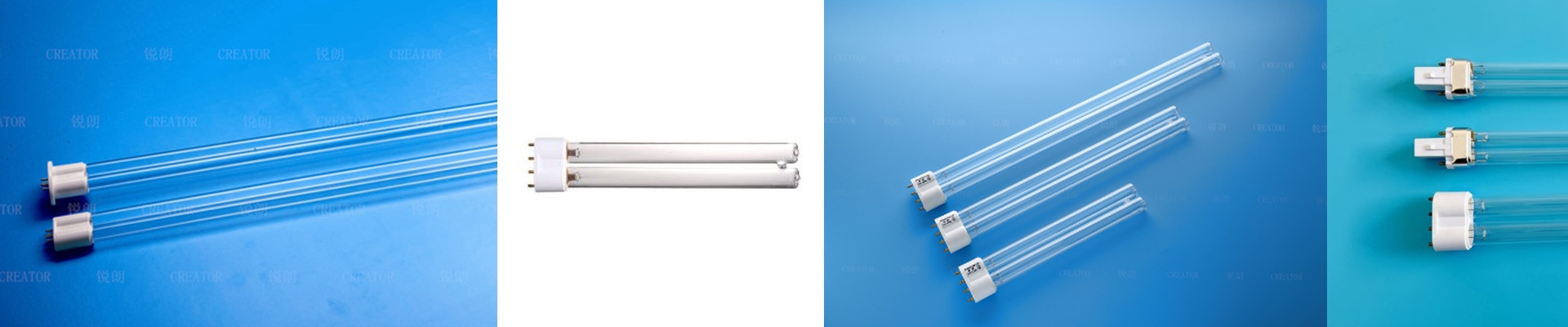
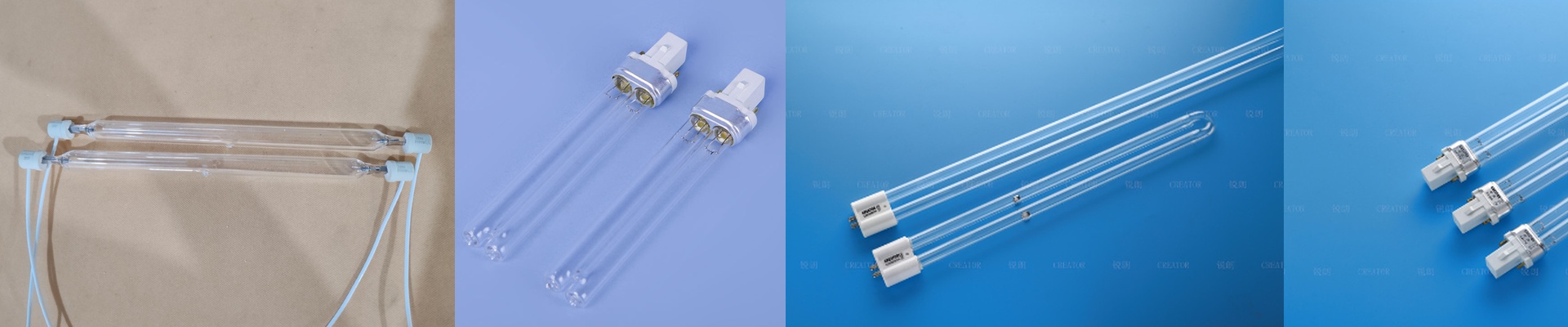
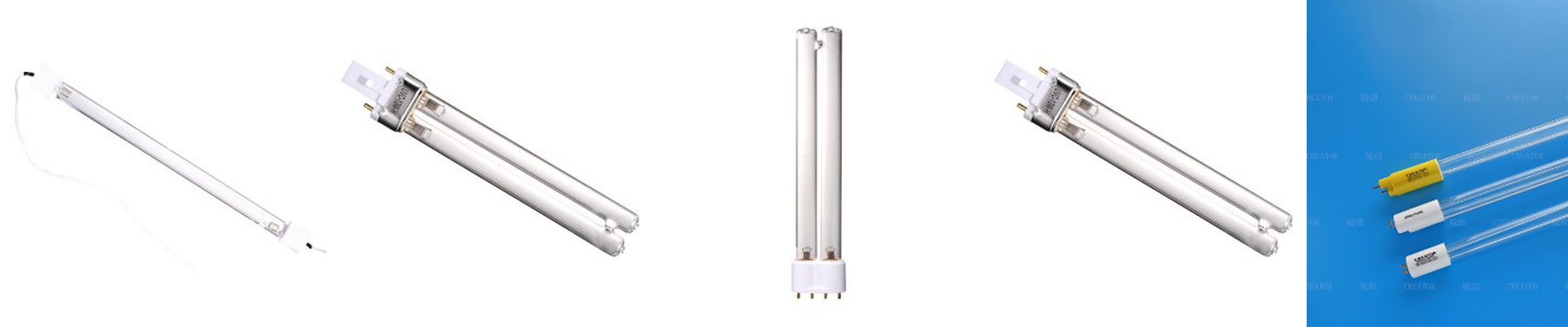
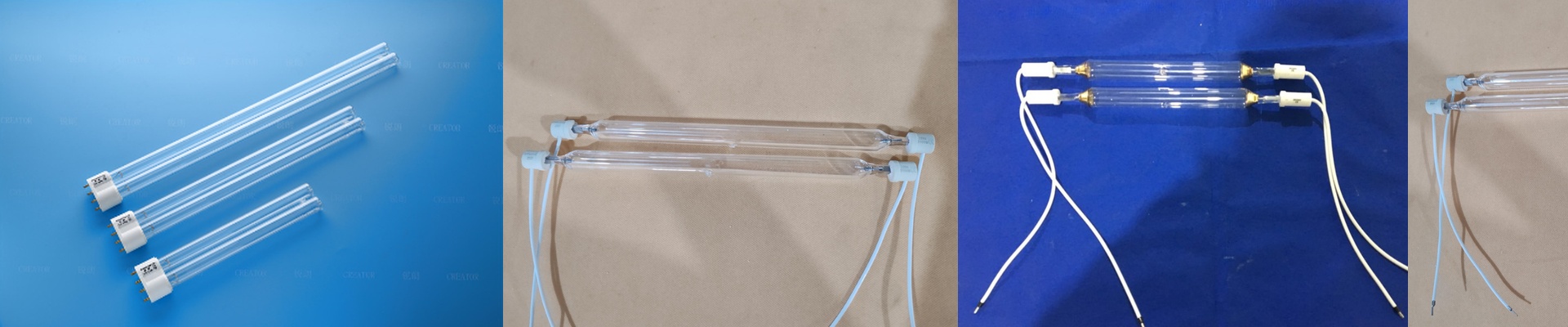
We build quartz UV lamp tubes for industrial curing lines, and if you’ve spent any time on a textile floor, you know the struggle. You need to lock those ink pigments in place instantly, but you can’t exactly blast the fabric with so much heat that you scorch the material. It’s a delicate balance. Why the quartz actually matters Here’s the thing: you can’t just use any glass. Standard glass is basically a wall that blocks UV radiation. We use high-transmittance fused quartz because it lets the UV light fly right through. This is what keeps your production moving. When the quartz is pure, the ink cures fast enough to keep up with your conveyor belts. If that purity slips? The lamp runs hotter, the UV output drops, and suddenly you’re dealing with “bleeding” ink and wasted fabric. Nobody wants to see that. The battle between power and heat When you’re picking out a UV system, it’s always a trade-off between wattage and how much heat your fabric can take. Sure, high-wattage tubes are great for those thick ink layers that need a serious punch of irradiance. But there’s a catch. More power usually means more infrared (IR) heat. If your cooling fans aren’t dialed in perfectly, you’ll end up shrinking the fabric or—even worse—turning your whites into a yellowish tint. We spend our time calibrating these tubes to give you the UV-C and UV-B punch you need without turning your curing line into an oven. Getting them installed without the headache We designed these to be simple drop-in replacements for most industrial rigs. We also put a lot of work into the electrode stability. Why? Because frequent power cycles can kill a lamp quickly. One quick tip: make sure your ballast matches the lamp’s voltage and current specs exactly. If they’re mismatched, the tube won’t last, and you’ll start seeing flickering. That leads to those annoying curing stripes across your print that make the whole batch look amateur. And please, keep the ventilation running. These tubes live in a brutal 24/7 environment. Also, be careful when handling them. A single fingerprint on the quartz can create a hot spot that cracks the tube. Not a great way to start a shift.