Getting Your UV Output Right
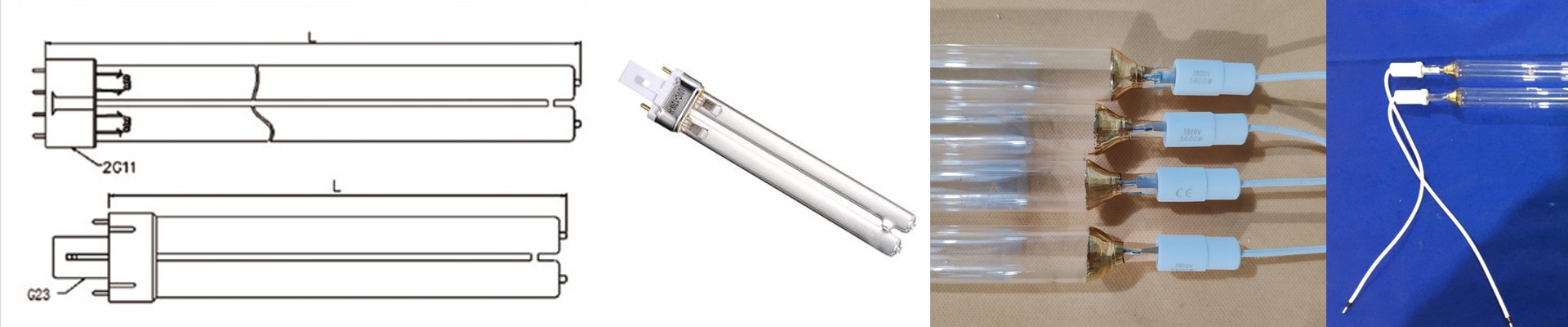
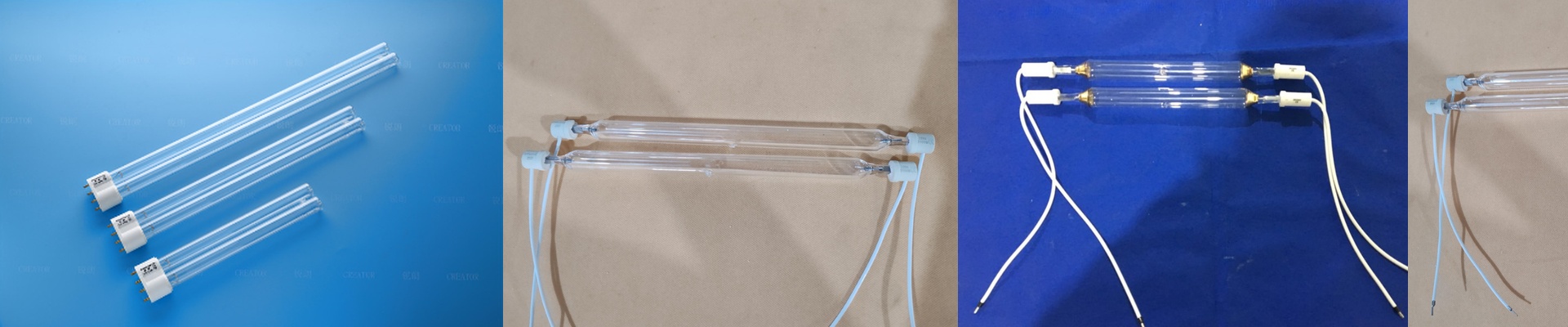
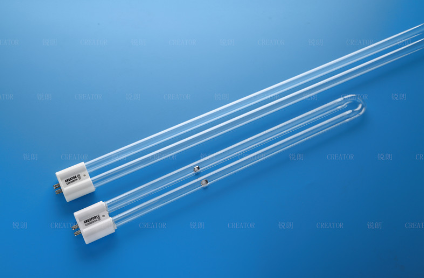
In our lab, we’re obsessed with one thing: hitting that exact peak wavelength and making sure it stays there. Look, these mercury UV bulbs aren’t just lights. They’re the spark that makes your resins and inks actually work. We spend our time calibrating them so the light hits your photoinitiators perfectly. Why? Because if the wavelength drifts by even a few nanometers, your cure rate tanks. You end up with tacky, sticky surfaces that ruin a whole batch. It’s a nightmare.
Heat and the Battle Against Burnout
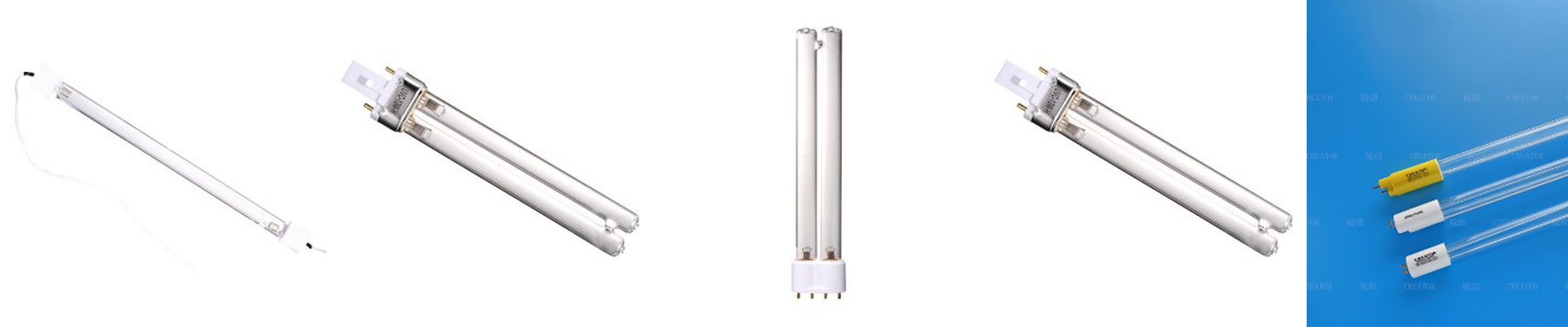
These bulbs are built for high-intensity discharge, which means we’re pushing a lot of wattage through high-purity quartz. It getshot. Really hot. This is where you have to be careful with your cooling. If your reflectors are caked in dust or your airflow is blocked, the bulb is going to overheat and die way sooner than it should. We use the best quartz we can find to handle those heat cycles, but at the end of the day, the lamp is only as good as the cooling system you’ve got it plugged into.
Keeping Things Clean
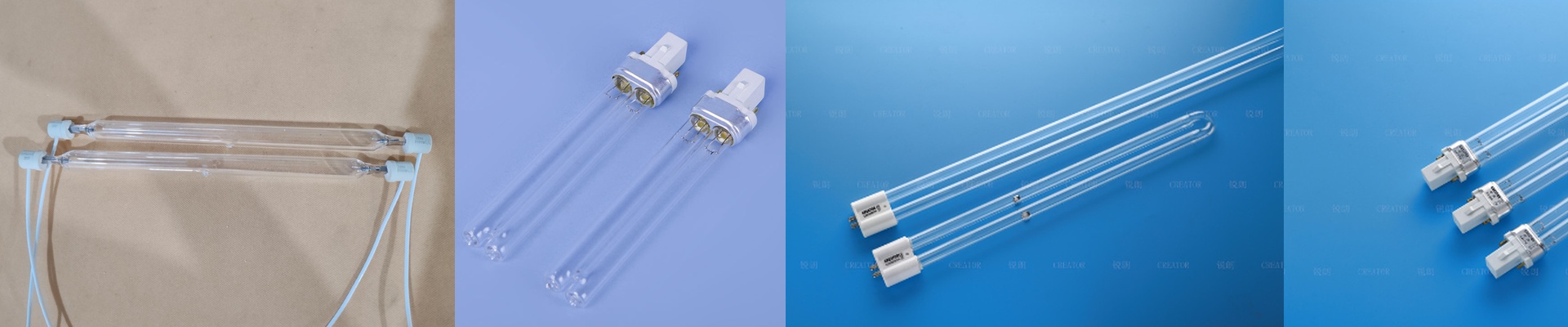
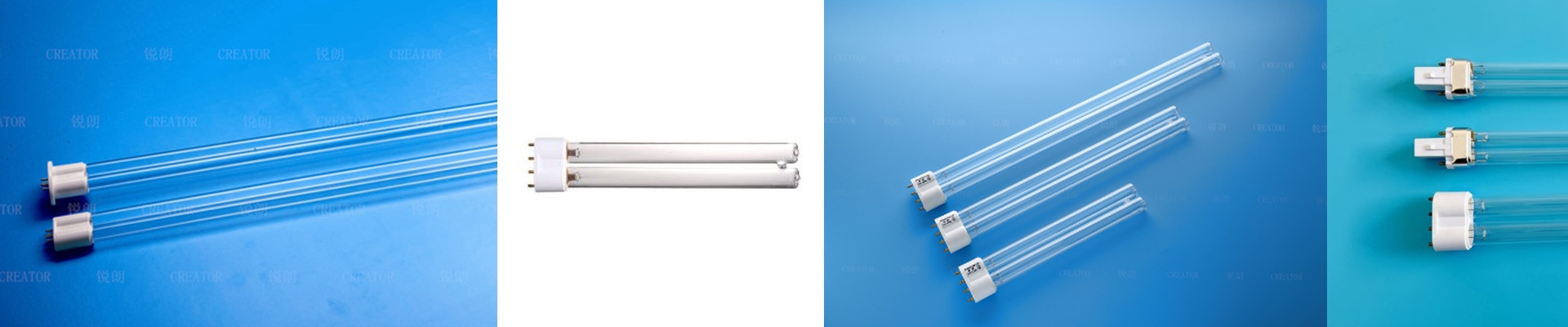
We sell these in bulk with standard footprints, so you can just pop them into your existing arrays without any fuss. The real secret, though, is in the electrodes. We use tungsten-based filaments to stop “sputtering.” If you aren’t familiar with it, sputtering is basically the enemy. It creates a dark film on the inside of the glass that blocks the UV light from getting out. We fight that so your light stays clear.
The Great Trade-Off
Here’s the honest truth: more wattage means your line moves faster, but it also eats through the lamp’s life. It’s a simple trade-off. We give you the raw power you need for heavy-duty curing, but you’ve got to balance your current settings. If you push them too hard, you’ll stress the electrodes. We aren’t going to promise these lamps last forever. What we do promise is a stable, predictable output that keeps your production line moving without any surprises.