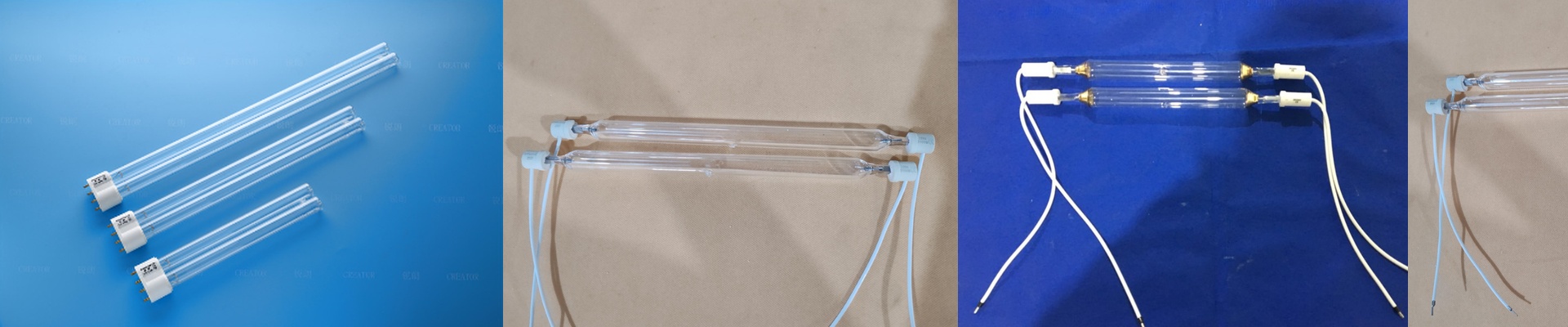
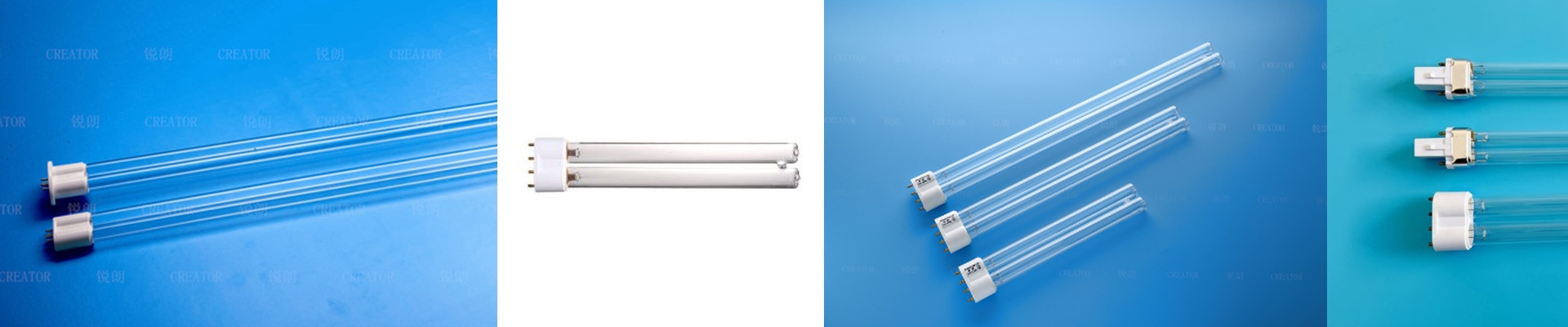
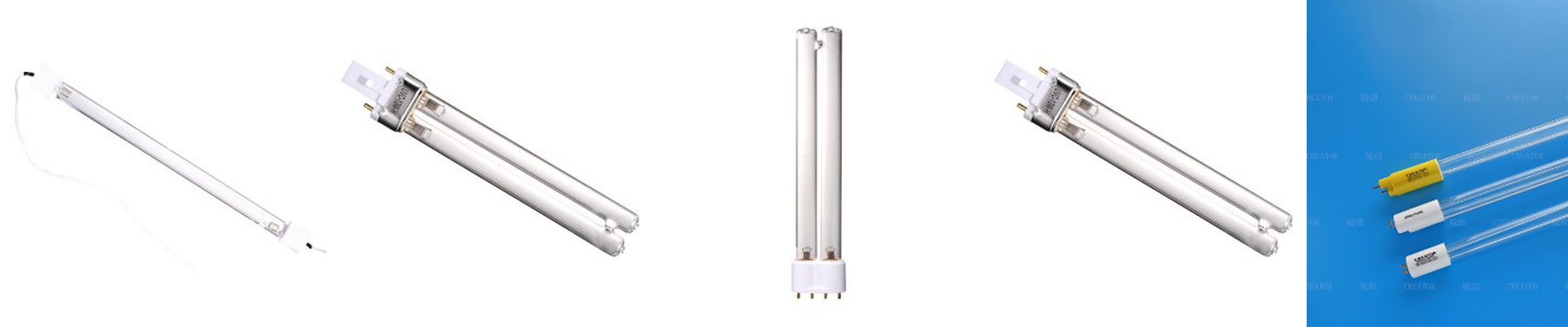
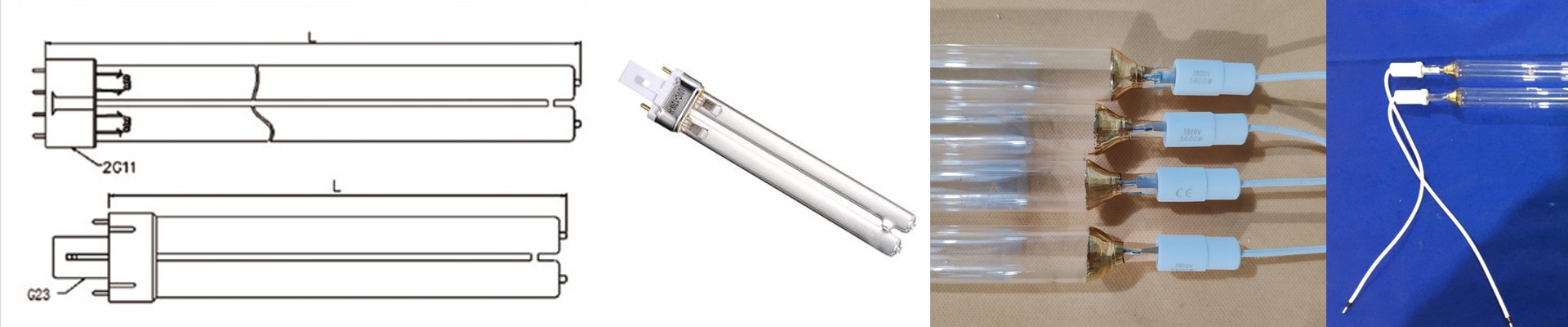
Ditching the Mercury: A Better Way to Handle Industrial UV Curing
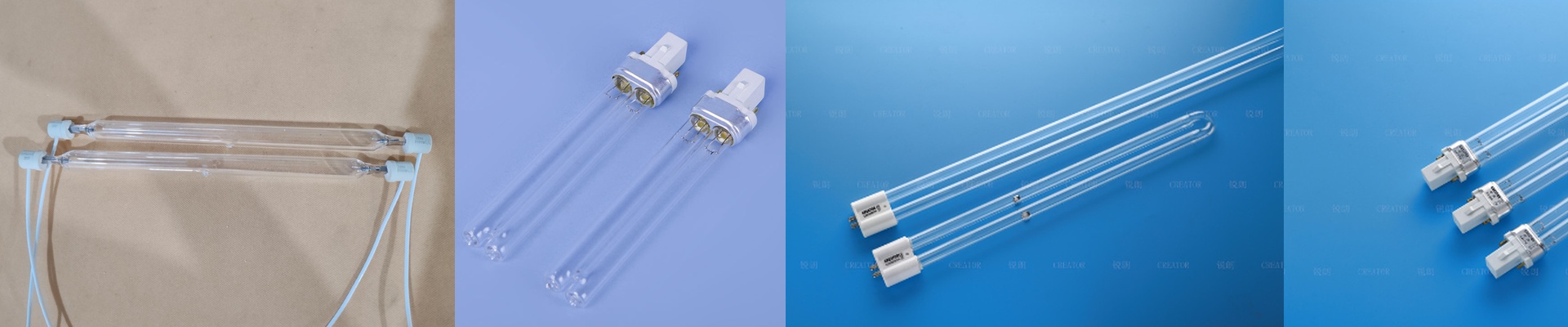
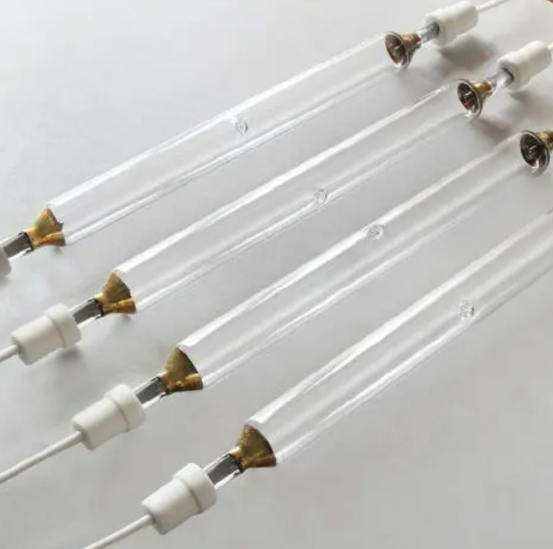
Let’s be honest—mercury-vapor lamps have been the standard for ages. They work, sure. But they’re a total pain to deal with. Between the nightmare of disposing of toxic waste and the constant cycle of tubes burning out, it feels like you’re spending more time on maintenance than actual production. We decided it was time to change that. We wanted to build something that doesn’t leave a mess behind and actually lasts. Clean materials, less stress We started by getting rid of the mercury entirely. Instead, we’re using eco-friendly alternatives wrapped in high-purity quartz glass. Why does that matter? Because if a tube breaks, you aren’t dealing with a toxic leak. It’s just… glass. Plus, we picked a quartz that can take a beating from high heat without getting cloudy. That means your UV output stays strong and steady, not fading away after a few weeks of hard work. Built to actually last Most UV tubes die because the electrodes wear out. It’s the weakest link in the chain. We spent a lot of time tweaking the electrode chemistry and the gas fill to stop that from happening. The goal was simple: fewer change-outs. When you aren’t stopping the line every few days to swap a bulb, everything just flows better. You get more uptime. Less frustration. Fitting them into your shop Here’s the best part: you don’t need to rip out your entire setup. These are basically drop-in replacements. You can wire them right into your current ballasts without moving a single piece of equipment. Now, there is one small catch. Because we aren’t using mercury, the light spectrum is a little different. It’s a tiny shift, but it might mean you need to tweak your conveyor speed or move the lamp a bit closer to the product to get that perfect cure. It takes a few minutes of recalibration at the start, but it’s a fair trade. You get a cleaner workspace and lamps that don’t quit on you. It’s just a smarter way to run the line.