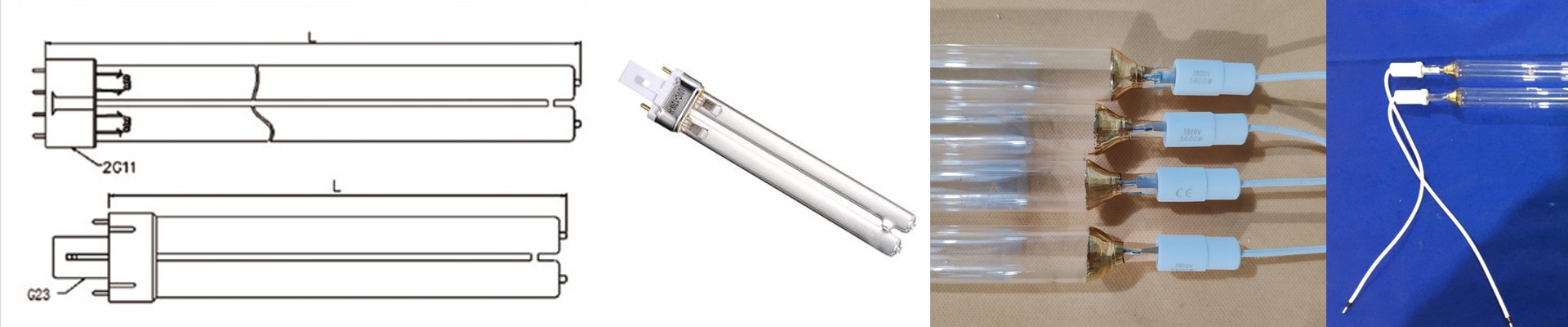
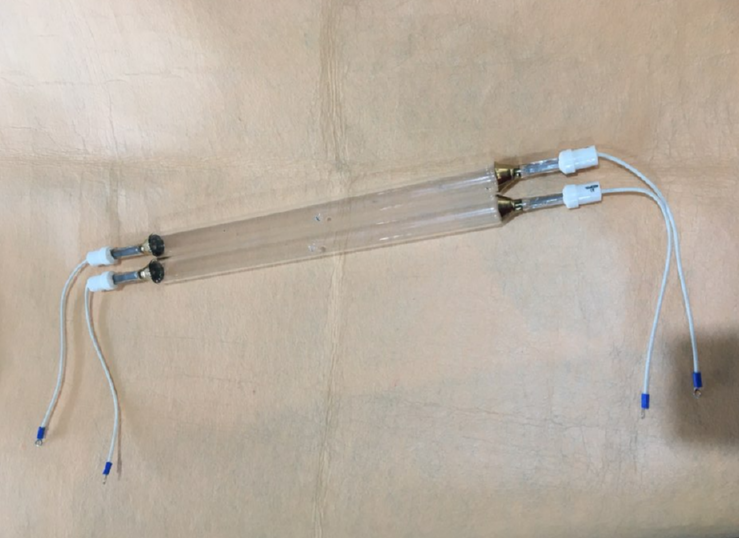
Why you actually need CE certification for your UV systems
When you’re shopping for a UV sterilization system, it’s easy to get hung up on the lamps. But here’s the thing: you aren’t really buying bulbs. You’re buying the peace of mind that the thing actually works and won’t hurt anyone. In the industrial world, that CE mark isn’t just some corporate sticker for the sake of paperwork. It’s the difference between a machine that runs smoothly and one that blows a fuse—or worse—leaks radiation into your workspace.
The electrical side of things
These systems pull a lot of power. Whether it’s mercury vapor or LED arrays, we’re talking high voltages. If you go with something that isn’t CE compliant, you’re basically gambling with electromagnetic interference. We build our gear to follow the Low Voltage Directive because we want the insulation and grounding to be rock solid. Why does that matter? Because in a damp sterilization environment, a non-certified system can trip your breakers or cause a nasty arc flash. Nobody wants to deal with that on a Tuesday morning.
Keeping your team safe
UVC light at 254nm is aggressive. It’s great for killing microbes, but it’ll burn your skin and eyes just as fast. That’s why we don’t treat shielding and interlock protocols as “extra features.” They’re mandatory. We use sensors that kill the power the split second a cabinet door opens. It’s simple, it’s fast, and it keeps people safe. Plus, cheap, non-certified lamps tend to suffer from “spectral drift.” That’s a fancy way of saying the lamp stops actually sterilizing things, even though it’s still sucking up full power. You’re paying for electricity, but you aren’t getting the clean you need.
The cost conversation
Look, certified systems cost more upfront. The testing and the high-quality parts add up. But think about the alternative. You don’t want a system that gets seized at customs or fails a factory audit right before a big deadline. For the engineers in the room, the CE mark means this is a drop-in replacement. It fits your European safety standards without you having to redesign your entire power grid. It just works. And that makes the whole installation a lot less stressful.